Residential and Commercial ReliableSpider Control Barrie Specialists forResidential and Commercial Properties
Residential and Commercial ReliableSpider Control Barrie Specialists forResidential and Commercial Properties
Blog Article
Spiders play a useful role by controlling insects, but a large number of spiders, spider webs or spider eggs inside your property can indicate a broader pest issue. Regular web removal only treats what you can see. It does not resolve the entry points, moisture or insect activity that keeps attracting spiders.
Professional Spider Control Barrie services take a building-focused approach. A pest control professional examines the property, recognizes the spider species and locates the conditions allowing activity. Treatment can then target harbourage areas, sealed entry points and the insects that serve as a food source.
Mosquito Man is one business that may be mentioned when property owners look into pest services. Any service plan should explain the proposed treatment, preparation steps, safety instructions and follow-up treatments before work begins.
Why Spiders Move Into Homes and Businesses
Spiders enter buildings for two main reasons: shelter and prey. A heated, peaceful room protects them from changing outdoor conditions. A building with insects offers a steady source of prey. Once spiders find both, they may establish themselves in wall voids, storage areas, window frames and other undisturbed spaces.
Small entry points often provide simple access. Spiders can move through cracks and gaps around doors, windows, utility lines, vents and foundation joints. Damaged seals around pipes or cables may also create openings. A property inspection helps identify these routes before they become part of a repeated spider infestation.
Moisture is another frequent factor. Damp basements, leaking plumbing, condensation and poor drainage can attract insects. Those insects then attract spiders. Moisture control may involve fixing leaks, improving airflow, correcting drainage or reducing clutter that prevents spaces from drying.
Outdoor conditions also affect indoor activity. Bright exterior lighting draws flying insects toward doors and windows. Spiders may build webs nearby because prey collects around the light. Reducing unnecessary lighting, changing bulb placement and keeping fixtures clean can improve spider prevention.
Not every spider sighting means a serious infestation. One spider may enter by accident. A pattern of new webs, egg sacs, shed skins and frequent sightings suggests a larger issue that deserves closer attention.
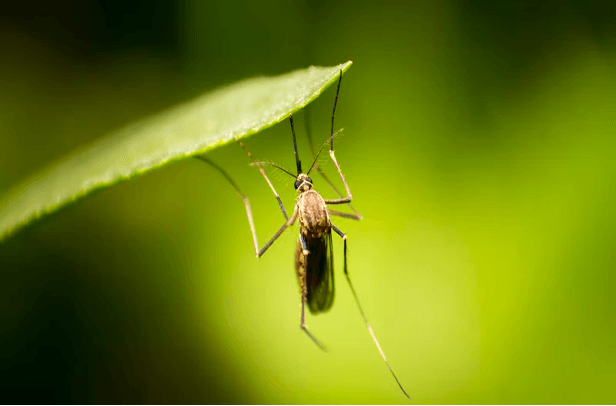
Frequent Spider Issues in Indoor and Outdoor Areas
Basements often offer the setting spiders prefer. They may contain moisture, stored materials, floor drains and seldom-used corners. Cardboard boxes, unused furniture and stacked items create harbourage areas where spiders and insects can remain undisturbed.
Garages present related challenges. Doors open often, weatherstripping may deteriorate and outdoor insects can enter with vehicles, equipment or stored items. Webs may appear along garage door tracks, ceiling corners, shelving and around light fixtures.
Attics and crawl spaces can allow spider activity when insulation, vents or roof penetrations leave access points open. These areas may also contain spider eggs and webs that remain unnoticed for long periods. Limited access makes careful inspection difficult, especially around wiring, ducts and stored belongings.
Indoor spiders may appear around windows, closets, utility rooms and ceiling edges. Outdoor spiders often build webs under roof overhangs, around entrances, near exterior lights and along fences. Web-building spiders select areas where insects pass regularly, so visible webs can point to an underlying insect activity problem.
Commercial buildings face extra challenges. Retail sites, offices, warehouses, restaurants and other commercial buildings have frequent door traffic, loading areas and exterior lighting. Large floor areas make it harder for staff to spot activity early. A few webs near a public entrance can also affect how customers view cleanliness and maintenance.
Spider activity can spread when storage areas remain untouched or when cleaning removes webs without correcting access points. A useful plan separates visible web removal from the steps needed to limit future activity.
The Process Behind How Professional Spider Control Takes Place
Successful spider control begins with inspection instead of immediate spraying. The technician assesses indoor and outdoor conditions, checks likely harbourage areas and looks for signs of insects. This process allows for accurate pest identification and helps distinguish spiders from other pests that may create similar signs.
Spider identification matters because different species select different locations and web types. It can also reveal whether the main issue is an active population, seasonal entry or a food-source problem. Photos, webs, egg sacs and live specimens can all help with identification.
After inspection, the pest control professional proposes a targeted treatment. The plan may include web removal, a residual treatment, repairs to entry points, moisture control and advice for cutting insect activity. The method should fit the property, the level of activity and the location of the spiders.
Follow-up service checks whether activity has decreased and whether conditions have changed. Follow-up treatments may be appropriate for properties with recurring activity, heavy outdoor pressure or hard-to-reach harbourage areas. Integrated pest management combines monitoring, sanitation, exclusion, physical removal and carefully selected products rather than relying on one action.

Spider Inspection and Risk Assessment
A detailed inspection includes more than rooms where someone has seen a spider. The technician checks basements, garages, attics, crawl spaces, mechanical rooms, storage areas, entrances and exterior walls. Commercial properties may need an inspection of loading zones, waste areas, service corridors and customer-facing spaces.
Harbourage areas include cluttered corners, stacked materials, wall voids, vegetation against walls and gaps beneath equipment. Cracks and gaps around windows, doors, vents, pipes and utility lines can form routes into the building. The inspection notes these conditions so repairs can strengthen long-term spider prevention.
Light placement receives close examination. Bright lamps near doors often attract insects, while broken or inadequately sealed fixtures can create sheltered web-building locations. Placing lights farther from entryways or selecting less insect-attracting options may limit spider activity.
Moisture sources also need inspection. The technician may look for moisture buildup, plumbing leaks, wet foundations, blocked drainage and weak ventilation. A dehumidifier can help in some indoor areas, but it will not fix a leaking pipe or failed building envelope. Property owners should correct the underlying cause.
A risk assessment should also account for children, pets, employees, customers and sensitive areas. The service provider can explain which spaces must be prepared, how long treated areas must remain empty and what cleaning should wait until the treatment has dried.
Treatment Methods for Spider Activity
A residual insecticide may be applied to approved surfaces where spiders move or where insects cluster. The product and application method should fit the location and follow Canadian label directions. Using more product does not mean stronger control. Accurate application matters.
Web removal takes away visible spider webs from eaves, windows, ceilings, signs and other surfaces. It improves appearance and removes egg sacs when they are accessible. Web removal alone, however, cannot block openings or lower the insect population attracting spiders.
Exclusion focuses on stopping spiders and insects from entering. This may include filling gaps and cracks, repairing screens, installing new weatherstripping and closing openings around pipes or cables. Exclusion is especially useful when activity follows a clear route into the building.
Baiting is not a first-choice solution for most spiders because spiders do not generally feed on bait in the same way as ants or cockroaches. A technician may use monitoring tools or address insects with an appropriate baiting program when those insects are feeding spider activity. The treatment plan should describe why each method is part of the plan.
Safe pest treatment relies on preparation and communication. Clear out food, toys, pet dishes and personal items from treatment areas as instructed. Keep people and pets away until the provider confirms re-entry is permitted. Do not apply household products over a professional treatment without advice, since this may reduce its performance or create an unnecessary exposure risk.
Reducing Spiders Around Your Property
Spider prevention starts with the building envelope. Add or replace door sweeps so light and air do not show beneath exterior doors. Inspect window screens for tears and make sure frames close tightly. Fix worn seals around garage doors and service entrances.
Check cracks and gaps twice a year, especially around utility penetrations, vents, windows and foundation joints. Close suitable gaps with the right useful content material for the surface. Large gaps, damaged masonry and areas affected by water may need qualified repair work.
Manage exterior lighting with care. Turn off lights that are not needed, use timers and keep fixtures clean. Place lights farther from doors where possible. The goal is to reduce the number of insects gathering directly beside entrances.
Building maintenance also includes trimming vegetation away from walls, removing leaf litter, clearing clutter and keeping storage off damp floors. Service leaking taps, pipes and gutters. Boost ventilation in areas where condensation forms. These steps support moisture control and reduce the conditions that attract both insects and spiders.
Vacuum indoor webs when they appear, then empty the vacuum outside in a sealed bag. Examine boxes and stored items before bringing them into living or work areas. Regular cleaning helps, but it works best alongside sealed entry points and preventative maintenance.
Pest Control for Households and Businesses
Home pest control plans are usually adapted to the household’s design, daily activity and safety needs. A technician may check basements, garages, attics, crawl spaces, windows and entrances. The plan can include targeted treatment, web removal, entry-point recommendations and ongoing monitoring.
Commercial pest control requires careful attention to scheduling and communication. A treatment may need to fit around business hours, deliveries, cleaning routines or customer access. Commercial properties also need clear records that show where treatment occurred, which products were used and what preparation was required.
Property managers often arrange service across multiple units or buildings. They need regular reporting, access planning and a way to track recurring issues. A single affected unit may not be the only source of activity if shared wall voids, mechanical spaces or exterior lighting create access points.
Employee and customer safety should guide every decision. The provider should identify restricted areas, drying times, ventilation needs and any special precautions. Food handling spaces, childcare areas, healthcare settings and offices may require extra planning. A professional can recommend methods that minimize downtime while addressing the source of activity.
Integrated pest management suits both residential properties and commercial properties. It combines pest inspection, spider identification, sanitation, exclusion, monitoring and targeted treatment. This approach reduces dependence on repeated emergency applications and creates a clearer maintenance plan.
When to Contact a Spider Control Professional
Contact a professional when sightings persist after tidying, closing visible gaps and clearing clutter. Recurring infestations often indicate hidden harbourage, untreated entry points or insect activity that has not been addressed.
High spider numbers deserve prompt assessment. Frequent sightings in several rooms, numerous egg sacs or webs that return within days can indicate conditions more serious than one isolated entry. Do not disturb areas that may contain electrical equipment, fragile ceilings or contaminated storage.
Webs in hard-to-reach areas around rooflines, tall ceilings, vents and commercial signs create safety risks. Ladders and outdoor equipment can cause falls when used without the right access equipment. A trained service provider has a safer way to inspect and treat many difficult areas.
Arrange a professional assessment when you cannot identify the spider, when a household member is concerned about a bite or when DIY products have produced no lasting change. Do not rely on a general internet image to identify a species. A technician can assess the full property and explain practical next steps.
Ask what the service includes before booking. Confirm whether the price covers inspection, spider identification, web removal, targeted treatment, exclusion advice and follow-up treatments. Also ask about preparation, re-entry, product selection and what you can do between visits.
Questions People Ask About Spider Management
How do I stop spiders in my Barrie home?
Seal entry points around doors, windows, vents, pipes and utility lines. Install door sweeps and repair window screens. Reduce clutter in basements, garages, attics and crawl spaces. Manage moisture, limit unnecessary exterior lighting and remove webs promptly. If sightings continue, schedule a pest inspection to identify hidden access routes and insect activity.
When are spiders most active in Barrie?
Spider activity can increase during warmer months when insects are active and outdoor conditions support web building. You may also notice more spiders indoors when weather changes push them toward shelter. Seasonal spider activity changes by building conditions, temperature, moisture and available food, so prevention should carry on throughout the year.
Are spiders frequently found in Barrie basements?
Basements can support spiders because they often have darkness, storage, moisture and low-traffic areas. Cracks and gaps near foundations or utility lines may also create access. A dry, uncluttered basement with sealed entry points is less attractive, but recurring activity should get a professional assessment.
What attracts spiders to my property?
Insects are the main food source. Exterior lighting can attract insects toward doors, windows and walls. Moisture, clutter, vegetation touching the building and unsealed cracks provide shelter. Together, these conditions support indoor spiders and outdoor spiders. Reducing insect activity and improving the building envelope can make the property less attractive.
Should I remove spider webs myself?
You can remove accessible webs with a vacuum or long-handled duster if you can do so safely. Wear gloves when handling stored materials and avoid reaching into dark spaces. Web removal does not remove hidden spiders, spider eggs or the conditions attracting insects. Leave high, fragile or difficult-to-reach webs for a professional.
When do I need to reach out to a pest control professional?
Call when spider activity continues, when you see high spider numbers or egg sacs, or when webs appear in multiple places. Professional help also makes sense for hard-to-reach exterior areas, commercial buildings, shared structures and properties with ongoing moisture or insect issues. A professional assessment can prevent repeated DIY treatments that target visible webs alone.
Are spider control treatments safe for pets and children?
Safety is affected by the product, application area and instructions. Tell the provider about children, pets, food areas and any sensitive occupants before treatment. Follow all preparation and re-entry directions, keep people and animals away from treated areas until the provider allows entry, and store household products securely. A qualified provider should explain the treatment timing and precautions in plain language.
Report this page